
Like a Star Travel LLC
678-559-9003
678-559-9003

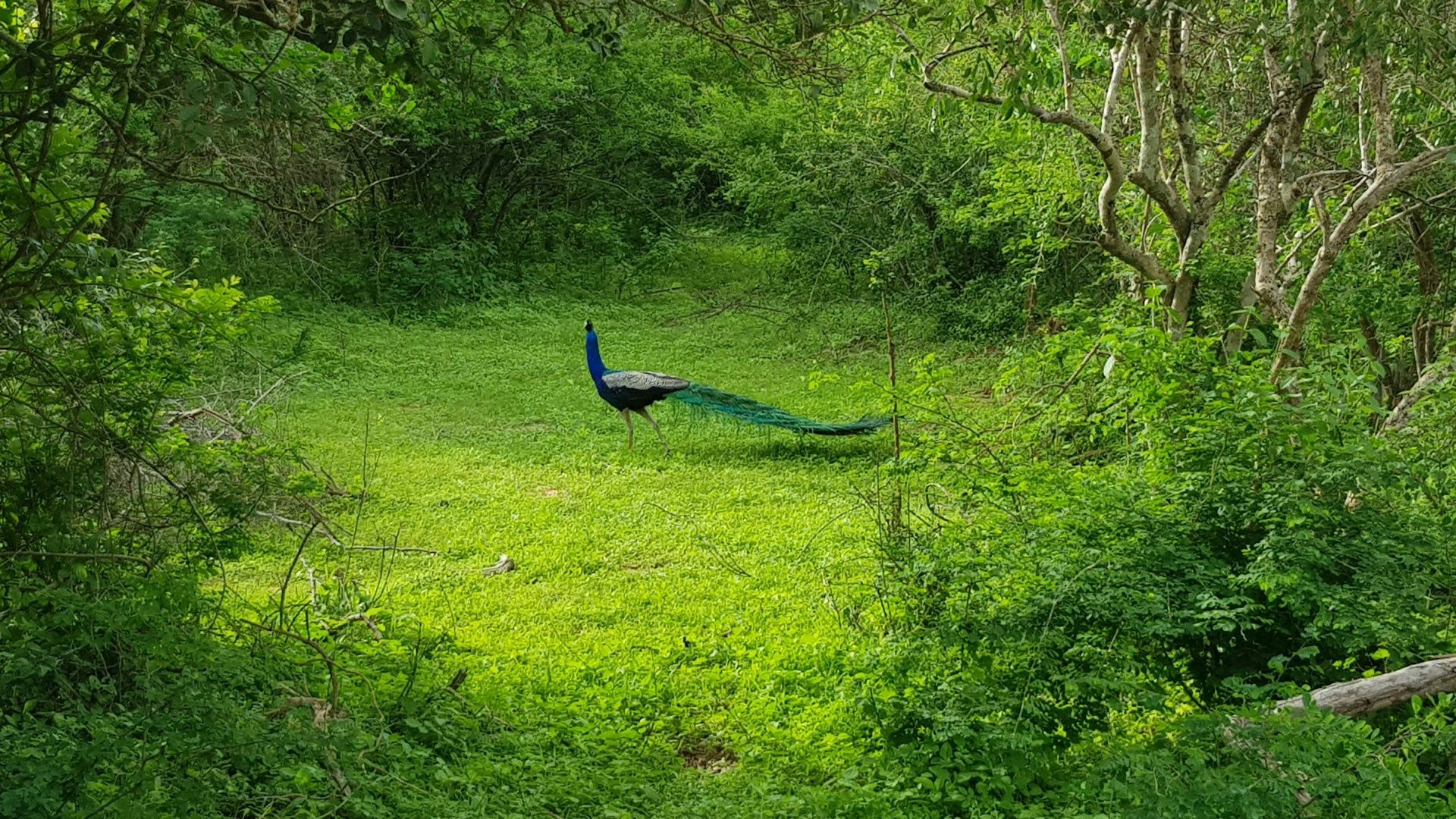
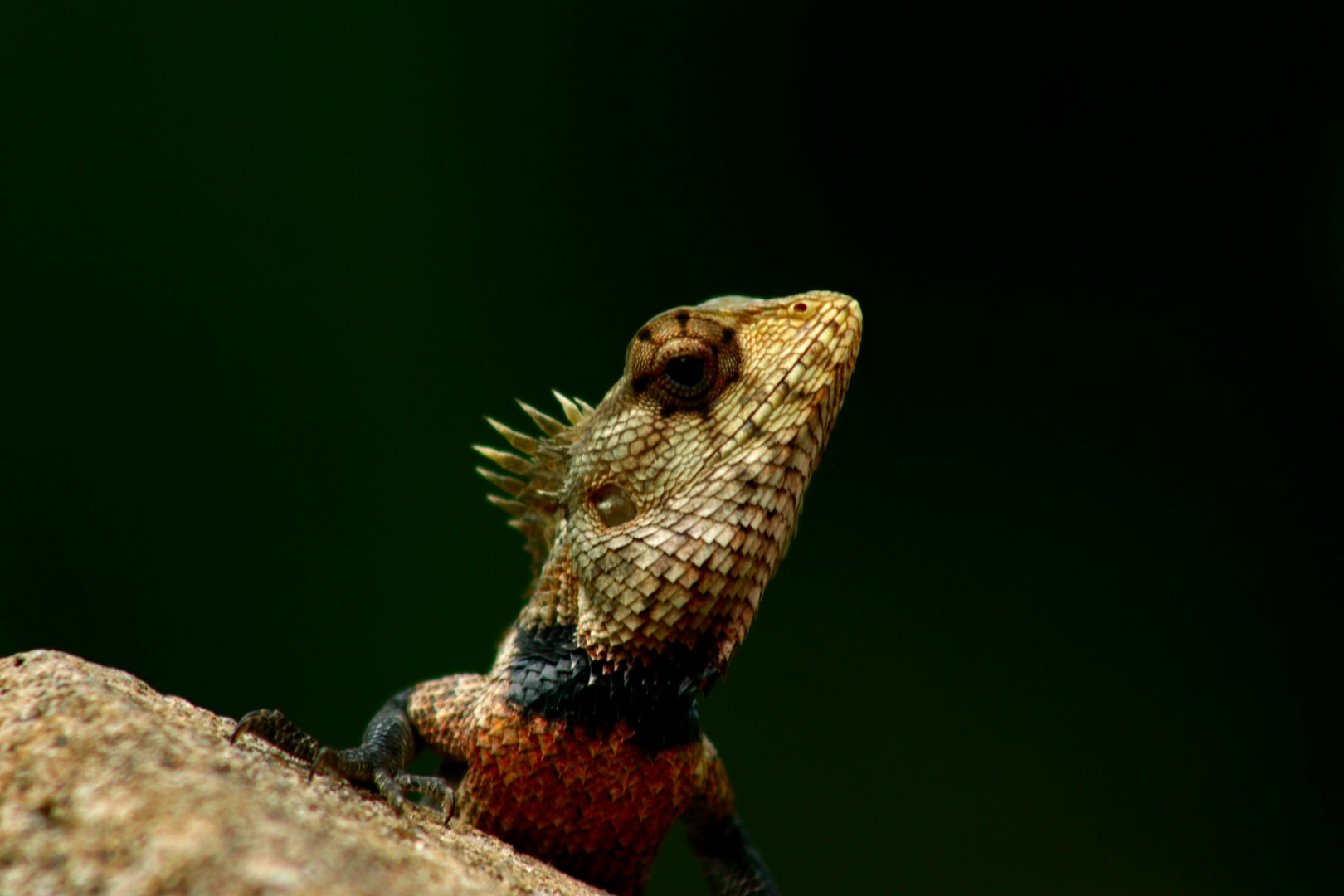

Hambantota is a coastal city in Sri Lanka’s Southern Province, set along a dry, sunlit stretch of the island’s southeastern coast. Its landscape combines the Indian Ocean, salt pans, scrubland, lagoons, and agricultural areas, giving the city a different character from the wetter coastal towns farther west. Hambantota is an important regional center and a gateway to several major wildlife destinations. Its surroundings include Bundala National Park, Yala National Park, and the Mirijjawila Botanical Garden, while the coast remains closely connected to fishing, salt production, and other local industries.
Hambantota’s cultural identity reflects the traditions of southern Sri Lanka, with Buddhist temples and religious practices forming an important part of community life. Ramba Viharaya, located near the Walawe River, is a notable Buddhist archaeological site with ancient monastic remains. The Martello Tower, built on a hill overlooking the town, represents another part of Hambantota’s heritage and coastal defenses. The city’s traditions are also shaped by salt making, fishing, and agriculture, while religious festivals and ceremonies bring together communities from the surrounding villages and coastal settlements.
The Hambantota Salt Pans are among the area’s most distinctive landscapes, stretching along the coast in broad geometric pools where seawater is evaporated and salt is collected. These wetlands also attract shorebirds and waterbirds, including pelicans, plovers, terns, gulls, egrets, and sandpipers. Nearby Bundala National Park protects a varied landscape of lagoons, salt pans, marshes, dunes, and scrub, supporting a large range of bird species as well as elephants and other wildlife. Mirijjawila Botanical Garden offers a contrasting environment, with extensive plant collections and areas devoted to ornamental and commercial cultivation.
Food in Hambantota reflects the cooking of Sri Lanka’s southern and dry-zone regions, with rice, fish, coconut, vegetables, and spices forming the basis of many traditional meals. Seafood is particularly relevant to a coastal city where fishing remains part of local life, while salt production provides an unusual connection between the landscape and everyday food. One of Hambantota’s lesser-known details is the scale of its salt industry: the official tourism authority describes salt pans extending for roughly 15 kilometers along the coastal road. This combination of salt works, wetlands, wildlife reserves, and Buddhist heritage gives Hambantota a distinctive regional identity.

